

Tavronitis Historic Bridge: €890,000 approved for restoration and promotion after Platanias Municipality request
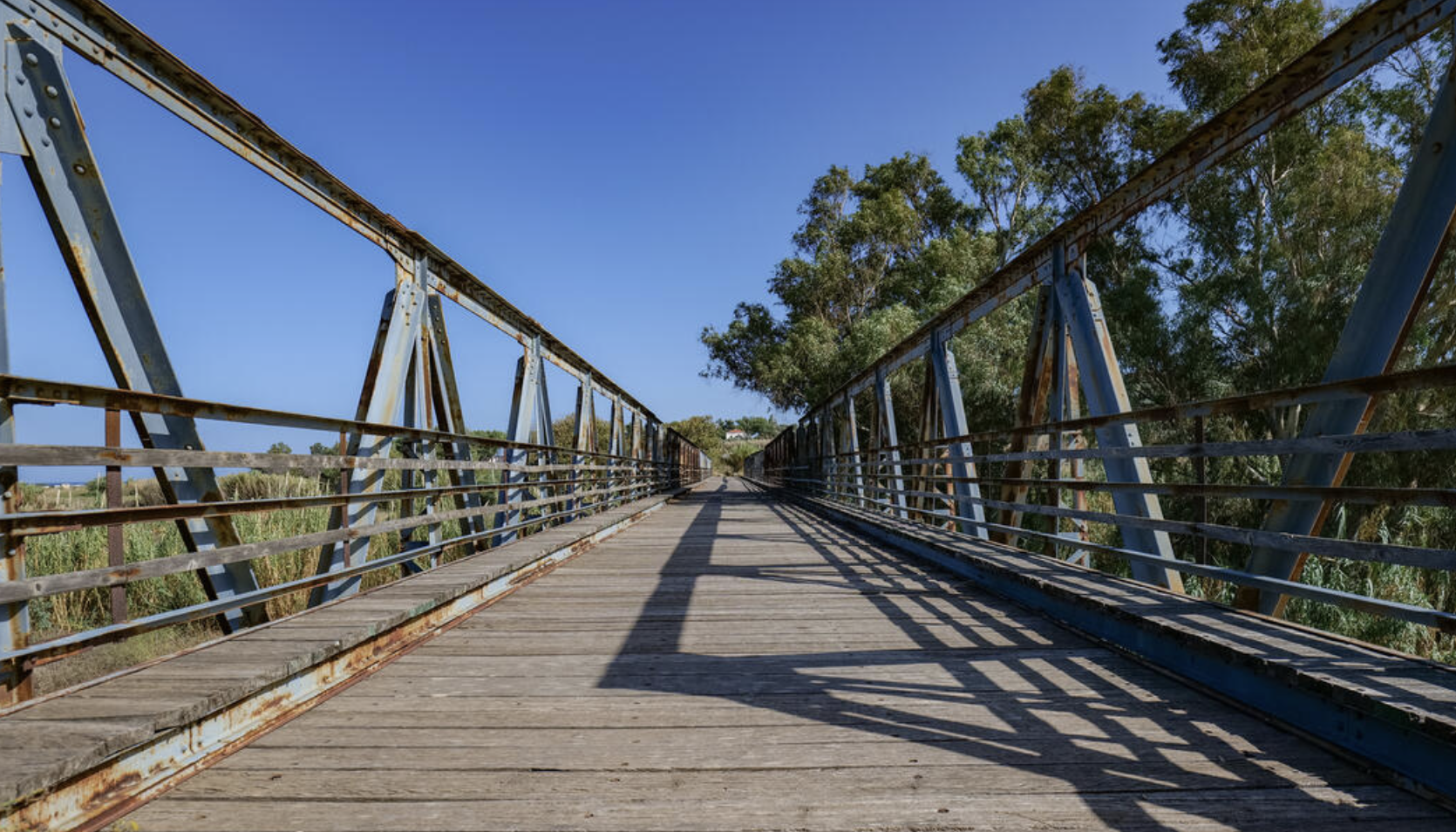
The €890,000.00 project “Restoration and promotion of the historic metal bridge at the mouth of the Tavronitis River” is included in the Ministry of the Interior’s funding call—a significant step for Maleme and the Municipality of Platanias.
The inclusion follows a formal request and sustained efforts by the Mayor of Platanias, Mr. Ioannis Malandrakis, to the Minister of the Interior, Mr. Theodoros Livanios. To prepare the project, the Municipality completed an architectural study for the bridge’s preservation and enhancement, secured approvals from the competent Ministry of Culture departments, and completed hydraulic studies for the bridge’s piers, approved by the Region of Crete. It also undertook the actions needed to obtain additional permits and approvals.
The project is among those proposed for funding under the Ministry of the Interior’s call (Ref. No. 63033/04-11-2026), issued under the 2026–2030 Sectoral Development Program, Priority Axis 2.3, “Road Infrastructure”. This establishes the conditions for implementation.
The restoration supports the Municipality’s wider plan to upgradeMaleme and is a prerequisite for advancing the pedestrian walkway and cycling path near Maleme Airfield. These routes will improve safety, accessibility and public spaces.
Restoring the historic Tavronitis metal bridge will preserve an important local landmark and part of the area’s cultural heritage for future generations, while establishing it as a historical reference point and visitor destination.
The Mayor of Platanias, Mr. Ioannis Malandrakis, stated: “We continue to protect our historical heritage through concrete action. Following our formal request and the personal intervention of the Minister of the Interior, Mr. Theodoros Livanios, the €890,000 restoration and promotion of the historic Tavronitis Bridge has been included in the Ministry’s funding call.
Our goal is to extend the pedestrian and cycling path, improve safety and amenities for citizens, and preserve and showcase a historic monument central to our local identity.
We continue to seek funding and follow a strategic plan to makesignificant projects for our Municipality a reality.”
Source: Municipality of Platanias, press release
Photo credit:Military tourism.warmuseum.gr
History of the bridge:
The bridge was built in 1901 during the autonomous Cretan State period. It connected Chania and Kydonia with the western provinces of Kissamos and Selino.
As the riverbed was wide (around 150 meters), stone arches were impractical; iron and steel components were imported directly from Germany, featuring a wooden road surface and narrow lateral walkways.
All pre-fabricated metal parts were imported by ship from Germany.
World War II and The Battle of Crete (May 1941)
During the Battle of Crete, which took place in May 1941, this bridge became a strategic point in the efforts of the Allies to resist the German invasion.
Strategic Value:
As it was located right next to the vital Maleme Airfield, controlling the bridge meant controlling the gateway to the airport and western Crete.
During Operation Mercury in May 1941, German airborne troops and gliders targeted the river crossing. New Zealand, Australian, and Greek/Allied forces fought fiercely to defend it and prevent the enemy from taking Maleme.
Heavy bombardment caused a section of the bridge to collapse.
Despite stiff resistance, German forces captured the crossing.
Once the German forces secured the area, they repaired the bridge with makeshift structures to maintain their supply lines.
To this day, bullet holes and shrapnel scars remain clearly visible in the iron beams.
The surrounding area features monuments, including an RAF memorial site.
Restoration:
After the war, the bridge fell into disrepair. In 1997–1998, severe weather, erosion, and torrential river flooding caused a major section of the bridge to collapse entirely.
Recognizing its historical value, the local municipality initiated a complete, authentic restoration.
By 2000the bridge was fully rebuilt to match its original architectural design.
Today, the Tavronitis Bridge is a protected national cultural monument. It is closed to motor vehicles and operates exclusively as a pedestrian bridge. The surrounding area serves as an open-air museum, featuring a German bunker, British sea mines, and a memorial dedicated to the Royal Air Force (RAF). It remains a core stop for WWII history tours on Crete.
